
Hello BA Enthusiasts!
Today, let’s chat about one of the most crucial aspects of being a Business Analyst (BA) – engaging with stakeholders. It’s like being a diplomat in the world of business analysis, where building strong relationships is key to project success.
Why Stakeholder Engagement Matters
Stakeholders are the people who make or break our projects. Whether it’s the CEO, the end-users, or the IT team, understanding their needs, concerns, and expectations is vital.
Effective stakeholder engagement leads to better project outcomes, fewer misunderstandings, and increased buy-in.
Step 1: Identifying Your Stakeholders
Know Your Players: First things first, identify who your stakeholders are. They can range from internal team members to external clients or vendors.
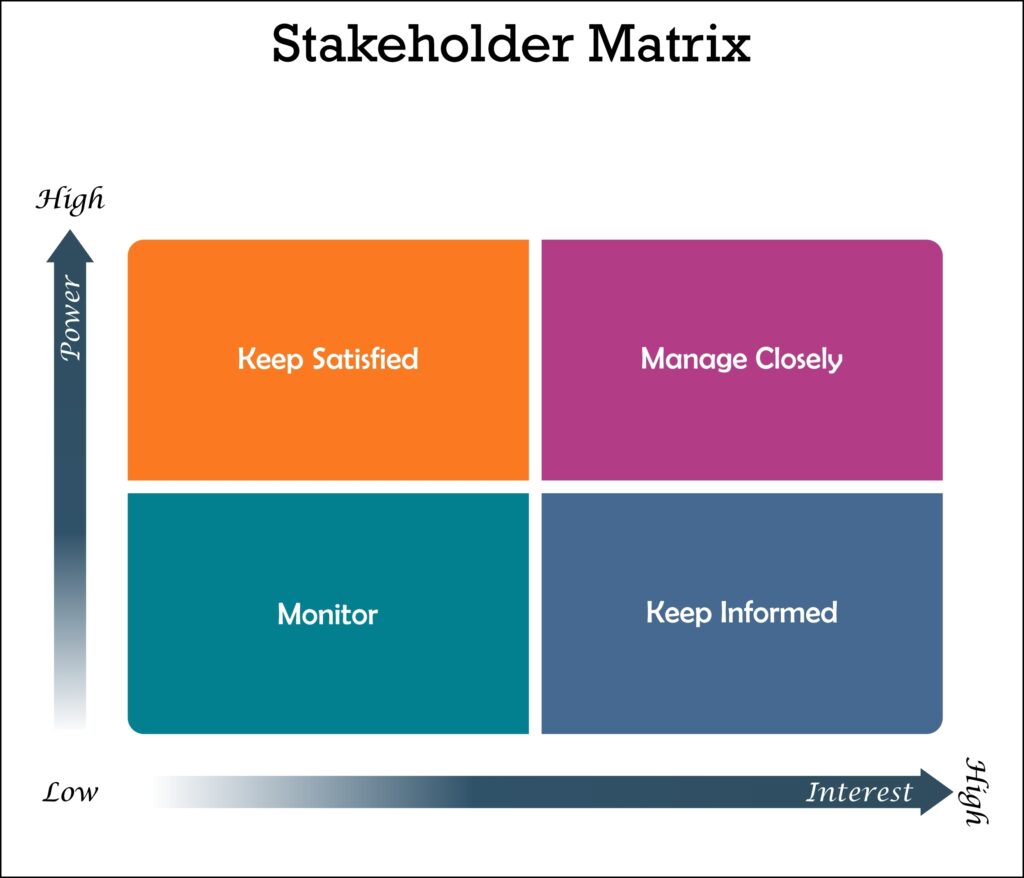
Mapping Tool: Try using a Stakeholder Matrix to visually categorise and prioritise your stakeholders based on their influence and interest.
Step 2: Understanding Stakeholder Needs
Listen and Learn: Each stakeholder has unique needs and perspectives. Schedule one-on-one meetings, listen to their concerns, and understand their vision for the project.
Pro Tip: Active listening is key. Tools like Evernote and One Note can be helpful to jot down and organise notes from these meetings.
Step 3: Tailoring Your Communication
Speak Their Language: Communicate in a way that resonates with each stakeholder group. For instance, C-suite executives may prefer high-level overviews, while technical teams need more detail.
Step 4: Establishing Trust and Credibility
Building Relationships: Trust is the foundation of effective stakeholder engagement. Be transparent, keep your promises, and consistently deliver quality work.
Step 5: Keeping Stakeholders Informed and Involved
Regular Updates: Keep stakeholders in the loop with regular project updates and involve them in key decisions.
Engagement Tool: I’ve used platforms like Teams and Slack for quick updates and Trello for sharing project progress.
Step 6: Navigating Conflicts and Managing Expectations
Diplomatic Skills: Conflicts and differing expectations are part of the journey. Address them promptly and seek win-win solutions.
Step 7: Gathering and Acting on Feedback
Continuous Improvement: Encourage and act on stakeholder feedback. It shows that you value their input and are committed to making the project a success.
There you have it – your roadmap to becoming a master in stakeholder engagement. Remember, it’s about building bridges, understanding different viewpoints, and creating an environment where everyone feels heard and valued. So, go ahead, put on your diplomat hat, and let’s make those project relationships thrive!